
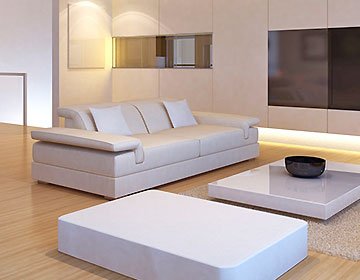
Living Room Designer in Kolkata
The living room is one of the most important spaces in any home. It is where families spend time together, welcome guests, celebrate special occasions, and relax after a busy day. A thoughtfully designed living room should therefore look beautiful while offering comfort, functionality, and enough space for everyday activities.
In a city like Kolkata, where homes range from compact apartments to spacious independent houses, creating the right living room requires careful planning. Furniture placement, lighting, wall colours, storage, and décor all contribute to the overall appearance and usability of the space.
Working with a professional Living Room Designer in Kolkata can help homeowners transform an ordinary room into a welcoming and well-organised living area that reflects their personal style.
Why Is Professional Living Room Design Important?
A living room may appear simple to design, but combining aesthetics with practical requirements can be challenging. Choosing furniture that is too large, selecting unsuitable colours, or using poor lighting can make even a spacious room feel uncomfortable.
A professional living room designer considers the room’s dimensions, natural light, ventilation, existing furniture, family requirements, and budget before developing a design plan.
Here are some benefits of professional living room interior design:
- Better space utilisation: Make the best use of available floor space without overcrowding the room.
- Comfortable furniture placement: Create convenient pathways and a balanced seating arrangement.
- Coordinated colours: Choose wall colours, furniture finishes, curtains, and décor that complement one another.
- Practical lighting: Combine general, task, and accent lighting for different activities.
- Organised storage: Incorporate TV units, cabinets, shelves, and concealed storage where appropriate.
- Consistent interior styling: Create a cohesive look that complements the rest of the home.
With proper planning, a living room can become both visually appealing and comfortable for everyday use.
1. Choose a Living Room Design Style That Suits Your Home
Before selecting furniture or decorative elements, decide on a design style that matches your preferences and lifestyle.
Modern Living Room Design
Modern living rooms often feature clean lines, simple furniture, neutral colours, and uncluttered layouts. A streamlined TV unit, a comfortable sofa, and carefully selected accessories can create an elegant appearance without making the room feel busy.
This style works well for homeowners who prefer a contemporary and organised environment.
Minimalist Living Room Design
Minimalist interiors focus on simplicity, practical furniture, and fewer decorative elements. Light colours, open floor space, and functional storage can make smaller living rooms feel more spacious.
The goal is to retain the essentials while avoiding unnecessary visual clutter.
Luxury Living Room Design
A luxury living room can incorporate premium finishes, elegant lighting, decorative wall panels, statement furniture, and carefully selected textures.
Rather than adding too many expensive elements, a balanced design focuses on quality, proportion, and attention to detail.
Contemporary Indian Living Room Design
For homeowners who prefer a blend of modern and traditional aesthetics, contemporary Indian interiors can combine wooden finishes, textured fabrics, subtle traditional patterns, and modern furniture.
The result can be a welcoming space that reflects personal taste while remaining practical for daily family life.
2. Make the Most of Available Space
Space planning is particularly important for apartments and compact homes in Kolkata.
A well-planned layout helps ensure that furniture fits comfortably and that people can move around the room without obstruction.
Consider these ideas when planning your living room:
- Select a sofa that suits the room’s dimensions.
- Avoid placing too many large furniture pieces in a small area.
- Use wall-mounted shelves to free up floor space.
- Consider a customised TV unit with integrated storage.
- Keep frequently used pathways clear.
- Choose furniture with built-in storage when it suits your requirements.
For larger living rooms, zoning can help organise the space into separate areas for conversation, television viewing, reading, or dining where appropriate.
A professional living room designer can develop a layout based on actual measurements instead of relying solely on inspiration images.
3. Select the Right Colours for Your Living Room
Colour has a significant influence on how a living room looks and feels. The right combination can make a room appear brighter, more inviting, or more sophisticated.
Neutral Colour Combinations
Shades of white, beige, cream, and soft grey create a versatile background for different furniture styles. They can also work well in rooms with limited natural light when combined with suitable lighting and finishes.
Warm and Earthy Colours
Terracotta, muted brown, olive green, and warm beige can create a comfortable atmosphere. These colours work particularly well with wooden furniture and natural-looking textures.
Accent Walls
An accent wall can introduce visual interest without overwhelming the room. Consider a textured finish, a complementary paint shade, decorative wall panels, or carefully selected wallpaper.
Before finalising colours, check samples under the room’s actual lighting conditions. A shade can appear different in daylight and under artificial lights.
4. Design a Functional and Stylish TV Unit
The television wall often becomes a focal point in the living room. A thoughtfully designed TV unit can improve both the appearance and organisation of this area.
Depending on the room’s size and storage requirements, the design may include:
- Wall-mounted or floor-standing cabinets
- Open display shelves
- Concealed storage compartments
- Cable management solutions
- Decorative wall panels
- Integrated lighting
- Space for entertainment devices
Choose materials and finishes that complement the rest of the interior. Make sure the television is positioned at a comfortable viewing height and that the layout allows for proper ventilation around electronic equipment.
For compact apartments, a customised TV unit can combine display space and storage without occupying unnecessary floor area.
5. Use Lighting to Create the Right Ambience
Lighting can transform the appearance of a living room and make it more adaptable to different activities.
A balanced lighting plan may include three main types.
Ambient lighting: Provides general illumination through ceiling lights, recessed fixtures, or suitable ceiling-mounted fittings.
Task lighting: Supports specific activities such as reading or working, using floor lamps, table lamps, or other appropriately positioned lights.
Accent lighting: Highlights artwork, decorative panels, shelves, or architectural features.
False ceilings and cove lighting can create a refined look, but they should be planned according to the room’s height, lighting needs, and budget.
A good lighting design balances appearance with practical requirements rather than relying on decorative fixtures alone.
6. Choose Comfortable Furniture and Suitable Materials
Furniture should be selected according to the available space, intended use, maintenance requirements, and budget.
For example, a family that frequently entertains guests may need a larger seating arrangement, while a smaller household may prefer a compact sofa and a flexible centre table.
When choosing furniture, consider:
- Sofa dimensions and seating comfort
- Fabric durability and ease of cleaning
- Coffee table size and placement
- Storage requirements
- Furniture proportions
- Coordination with flooring and wall finishes
Material selection also matters. Wooden finishes, laminates, upholstery, glass, metal, and engineered surfaces each have different maintenance requirements and visual characteristics.
A professional designer can help compare suitable options and create a coordinated look without exceeding the planned budget.
7. Add Smart Storage Without Cluttering the Room
Living rooms often need to accommodate books, electronic devices, decorative objects, children’s belongings, and everyday essentials.
Without sufficient storage, these items can make the space appear disorganised.
Smart storage solutions include built-in cabinets, floating shelves, closed storage beneath a TV unit, and multifunctional furniture where appropriate.
A combination of open and concealed storage can keep frequently used objects accessible while reducing visible clutter.
For smaller homes, customised modular furniture can be especially useful because it can be designed around the room’s actual dimensions and storage requirements.
8. Plan Your Living Room Interior According to Your Budget
A beautiful living room does not necessarily require an unlimited budget. The key is to identify priorities and allocate money carefully.
Start by deciding which elements need professional design or customisation. These may include the furniture layout, TV unit, lighting, electrical planning, ceiling work, or storage.
Next, identify areas where simpler solutions can work. Repainting walls, updating curtains, rearranging existing furniture, and adding a few well-chosen accessories may improve the room without requiring a complete renovation.
Before beginning the project, discuss the following with your interior designer:
- Overall project budget
- Design and consultation charges
- Furniture and material costs
- Lighting and electrical work
- Installation and labour expenses
- Project timeline
- Any exclusions or additional charges
A clear scope of work helps homeowners compare quotations and understand what is included in the proposed design.
9. Why Choose a Professional Living Room Designer in Kolkata?
Local experience can be useful when planning a living room because each property has different dimensions, structural conditions, lighting, and practical requirements.
A professional designer can help assess these factors, prepare a suitable layout, coordinate materials, and plan the execution process.
When selecting a designer, consider the following:
Portfolio and previous projects: Review completed interiors to understand the designer’s approach and quality of work.
Customised planning: Choose a team that considers your lifestyle and room dimensions rather than offering a one-size-fits-all design.
Material guidance: Ask about available finishes, durability, maintenance, and alternatives for different budgets.
3D visualisation: Where available, 3D designs can help you understand the proposed layout and appearance before execution.
Transparent pricing: Request a clear quotation that explains the scope, materials, and additional costs.
Project coordination: Understand who will manage installation, site coordination, and progress updates.
These considerations can help you choose a design partner who understands your expectations and practical requirements.
10. Transform Your Living Room with Colour Guide Interior
At Colour Guide Interior, the focus is on creating personalised interiors that balance appearance, comfort, and functionality. The company’s interior design services include residential and commercial spaces, customised furniture, space planning, material selection, and project execution.
If you are planning a new home or renovating an existing apartment, the living room design should reflect how you use the space every day.
From choosing a suitable colour palette to planning furniture placement, lighting, storage, and decorative finishes, a structured design process can help bring your ideas together.
Colour Guide Interior also outlines a project process that includes consultation, site measurements, 3D design and planning, material selection, execution, and final handover.
Whether you prefer a modern, minimalist, contemporary, or more luxurious look, discuss your requirements, available space, and budget with the design team before finalising your plans.
Explore Colour Guide Interior to learn more about its interior design solutions.
Frequently Asked Questions
How do I choose the right living room designer in Kolkata?
Review the designer’s portfolio, experience, design process, material options, project scope, and pricing. Choose a professional who understands your preferences, space requirements, and budget.
What is the best living room design for a small apartment?
A compact sofa, appropriately sized furniture, light or balanced colours, wall-mounted storage, and layered lighting can help make a small living room feel more open and functional. The ideal layout depends on the room’s dimensions.
Can a living room be designed on a limited budget?
Yes. Prioritising essential furniture, choosing cost-effective finishes, using existing furniture where practical, and planning storage carefully can help control expenses.
Is 3D design useful for living room interiors?
A 3D design can help homeowners visualise furniture placement, colours, finishes, and lighting before execution. It can also make it easier to discuss adjustments with the designer.
How long does living room interior design take?
The timeline depends on the room’s size, design complexity, material availability, custom furniture, and the amount of renovation required. Ask the designer for a project-specific schedule.
Which colours work best for a living room?
Neutral shades, warm earthy colours, and carefully selected accent colours can all work well. The best combination depends on natural light, room size, furniture finishes, and personal preference.
Conclusion
A well-designed living room brings together comfort, functionality, and personal style. From space planning and furniture selection to lighting, colours, storage, and finishing materials, every decision contributes to the final result.
If you are searching for a Living Room Designer in Kolkata, start by identifying your requirements, setting a realistic budget, and choosing a design approach that suits your home.
With thoughtful planning and professional guidance from Colour Guide Interior, you can create a living room that looks inviting, uses available space effectively, and supports your family’s everyday lifestyle.
Ready to plan your living room interior? Contact Colour Guide Interior to discuss your design requirements and explore suitable solutions for your home.
Leave A Comment